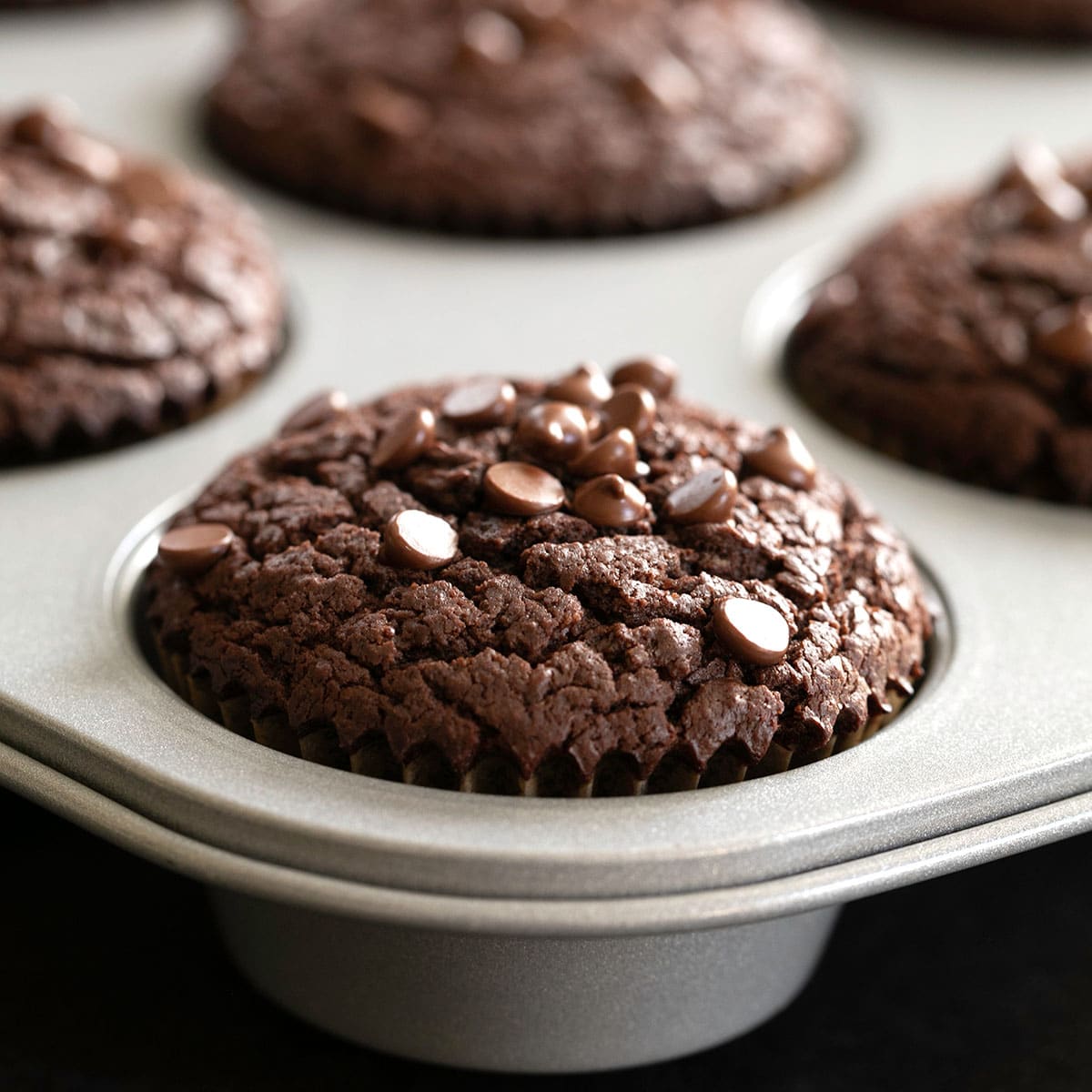
Unlocking the Fudgy Dream: Why Go Flourless?
For too long, the quest for the ultimate chocolate peanut butter muffin has been overshadowed by traditional baking's reliance on flour. While flour has its place, it often plays the villain when the goal is pure, unadulterated richness. It dulls the intense cocoa and nutty notes, and, let's be honest, it aims for a lightness that stands in direct opposition to the dense, fudgy, almost brownie-like texture we truly crave in a chocolate peanut butter creation. The dream isn't a fluffy, airy muffin; it's a deeply satisfying, substantial treat that delivers a flavor explosion with every bite.
This is precisely where the magic of
flourless chocolate peanut butter muffins comes into play. By shedding the grains, we embark on a complete structural shift, moving away from starch-based scaffolding to a foundation built on protein and fat. The result? A texture that is not just gluten-free, but inherently superior – incredibly moist, intensely flavorful, and undeniably decadent. These aren't just an alternative for those avoiding gluten; they're a revelation for anyone seeking a richer, more profound muffin experience that doubles as a surprisingly energizing grain-free breakfast.
The Master Builders: Eggs and Peanut Butter in Structural Harmony
So, how do you conjure a beautifully structured baked good without the traditional cornerstone of flour? The secret lies in a fascinating interplay between two key ingredients: the mighty proteins in eggs and the luxurious fat content of peanut butter. These unsung heroes step up to create a robust internal architecture that flour typically provides, but with a vastly different and often more desirable outcome.
The eggs, surprisingly, bear the brunt of the structural heavy lifting. When raw eggs are vigorously beaten, particularly with sugar, their proteins begin to denature and unfold, forming a resilient network. This network acts as a quick scaffold, capable of trapping air bubbles introduced during mixing. As the batter bakes, these air pockets expand, further supported by the leavening action of baking soda. This aeration is crucial for giving the muffins their lift and contributing to their unique, moist crumb, despite the absence of flour. Think of it as constructing a microscopic, protein-based web that holds everything together.
Complementing the eggs, the high fat content and inherent density of peanut butter provide the essential bulk, moisture, and, of course, the incredible richness. Peanut butter acts as the primary binder and the substantial body of the muffin, effectively replacing the dry volume that flour would normally occupy. Because there's no flour to absorb excess liquid, the natural oils and moisture from the peanut butter (and other wet ingredients) remain within the crumb, leading to that characteristic, melt-in-your-mouth moistness that defines truly exceptional
flourless chocolate peanut butter muffins. It’s a delicate balance that results in a dense, yet tender, texture.
A crucial insight from experienced flourless bakers, often learned through frustrating trial and error, is the absolute necessity of using
room temperature eggs. Trying to incorporate cold eggs directly from the fridge into the batter is a common mistake that can lead to disaster. The cold temperature can cause the fats in the peanut butter and other ingredients to seize up, resulting in a lumpy, unworkable batter. Room temperature eggs, on the other hand, emulsify smoothly with the other fats and liquids, creating a cohesive, velvety batter that's essential for achieving that perfect, consistent texture. This seemingly small detail makes all the difference in the structural integrity of your muffins.
Beyond a Snack: The Sustaining Power of Flourless Muffins
Forget everything you think you know about traditional light and airy bakery muffins. These
flourless chocolate peanut butter muffins are a different breed entirely. They are substantial, satisfying, and intentionally dense, earning them the affectionate moniker of "power muffins." This isn't just about their rich flavor; it's about their unique nutritional profile that delivers sustained energy without the dreaded mid-morning crash.
The very foundation of their structure—built on protein and healthy fats from eggs and peanut butter—makes these muffins incredibly filling. Unlike carb-heavy, flour-based muffins that can spike blood sugar and leave you hungry an hour later, these provide slow-burning energy that genuinely keeps you satiated. The combination of protein, fat, and a moderate amount of natural sugars ensures a steady release of glucose into your bloodstream, making them an excellent choice for a hearty breakfast or a robust snack.
For those experimenting with keto-ish baking, or simply aiming to boost their daily protein intake, these peanut butter muffins are a true game-changer. They feel like an indulgent splurge, offering all the decadence of a dessert, but they are actually fueling your body with quality macronutrients. In a culinary world where terms like "fat bomb recipe" are gaining traction for their ability to deliver concentrated energy, consider these muffins the delicious, breakfast-and-dessert-friendly version. They’re designed not just to taste good, but to empower you with lasting energy, proving that wholesome doesn't have to mean sacrificing flavor or satisfaction. This inherent density is a feature, not a bug, providing the kind of sustained fuel that can power you through a busy morning or a demanding afternoon.
Crafting Perfection: Essential Ingredients and Baking Wisdom
Achieving the ultimate
flourless chocolate peanut butter muffins begins long before the oven timer even starts, with a meticulous approach to ingredient selection and preparation. Every component plays a vital role in constructing their unique texture and delivering their intense flavor.
Sourcing the Right Peanut Butter
This is perhaps the most critical and often debated ingredient choice. For structural integrity in baking, *not all peanut butter is created equal*. While natural, stir-at-the-bottom peanut butter might be healthier for direct consumption, its inconsistent oil and solid separation makes it problematic for this type of recipe. The wildly varying consistency and high oil content of natural peanut butter can disrupt the delicate emulsion needed for a stable batter, leading to an unpredictable final texture—potentially greasy or crumbly.
Instead, look for a well-stirred, creamy peanut butter (think Jif or Skippy) that contains stabilizing ingredients. These stabilizers ensure a consistent texture and fat distribution, which is paramount for forming a smooth batter that holds its structure during baking. The consistency of these processed peanut butters acts as a reliable "glue," contributing to the desired moist, dense crumb. If you're passionate about using natural peanut butter, you might need to adjust liquid content or consider a brand that is naturally very thick and minimally separated.
The Power of Room Temperature Eggs
As highlighted earlier, room temperature eggs are non-negotiable. Cold eggs will cause the fats in your peanut butter and other ingredients to solidify or "seize up," preventing a smooth, cohesive batter from forming. To quickly bring eggs to room temperature, place them in a bowl of warm (not hot) water for 5-10 minutes. This simple step ensures proper emulsification, leading to a uniform batter and ultimately, a superior muffin texture.
Sweeteners and Flavor Enhancers
Brown sugar isn't just for sweetness; it brings crucial moisture and a rich, molasses-like depth of flavor that complements both chocolate and peanut butter beautifully. Its slightly acidic nature also reacts with baking soda, aiding in leavening. A good quality cocoa powder is also essential for a profound chocolate flavor. Opt for Dutch-processed cocoa for a darker color and milder chocolate taste, or natural cocoa for a fruitier, more intense chocolate punch. Vanilla extract and a pinch of salt are also vital for enhancing all the other flavors, bringing balance and depth to the overall profile.
The Baking Process: Mixing for Success
The mixing technique for flourless muffins differs from traditional recipes. Begin by vigorously beating the room temperature eggs with the sugar until light, foamy, and significantly increased in volume. This is where you're building that initial protein scaffold and trapping air. Then, carefully fold in your creamy peanut butter and other wet ingredients, ensuring a smooth, emulsified batter. Overmixing, even without flour, can still incorporate too much air or disrupt the delicate protein network, so mix until just combined. Gently fold in any chocolate chips or optional mix-ins at the very end. Proper oven temperature and baking time are also key—these denser muffins often benefit from a slightly longer bake at a moderate temperature to cook through evenly without drying out.
Conclusion
Embracing the flourless approach to baking muffins isn't just about catering to dietary needs; it's about unlocking a new realm of flavor and texture that traditional flour-based recipes simply can't achieve. These
flourless chocolate peanut butter muffins are a testament to the power of thoughtful ingredient selection and structural understanding, transforming humble components into a dense, fudgy, and intensely satisfying treat. From the ingenious way eggs and peanut butter replace flour to their incredible ability to deliver sustained energy, these "power muffins" offer a truly exceptional experience. So next time you crave something rich, guilt-free, and profoundly satisfying, bypass the flour and dive into the delicious world of flourless baking—your taste buds and your energy levels will thank you.